Understanding gambling addiction Recognizing the signs and seeking help
What is Gambling Addiction?
Gambling addiction, often referred to as compulsive gambling or gambling disorder, is a chronic condition characterized by an uncontrollable urge to gamble despite the negative consequences. It affects individuals from all walks of life and can lead to devastating financial and emotional impacts. The compulsion to gamble can overshadow other aspects of life, including relationships, work, and personal health, leading to a downward spiral that can be difficult to escape. If you want more information on different aspects of gambling, click here to explore various resources and insights.
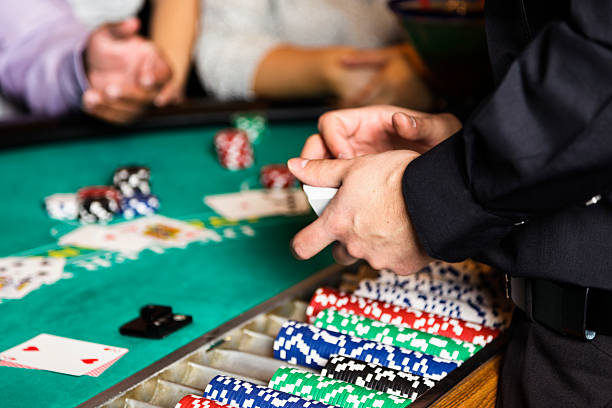
This addiction is classified as a behavioral addiction, similar to addictions to substances like drugs or alcohol. While gambling can be a fun and social activity for many, those with gambling addiction experience it in a profoundly different way. Their need to gamble becomes a priority, often leading to a cycle of loss and desperation as they chase losses, hoping to regain control over their financial situation.
Understanding the nature of gambling addiction is essential for recognizing its signs and the impact it can have on an individual’s life. It is crucial for loved ones to understand that this is not just a matter of poor decision-making but a serious mental health condition that requires support and treatment to overcome.
Recognizing the Signs of Gambling Addiction
Identifying the signs of gambling addiction can be challenging, as they often develop gradually and can vary between individuals. Common indicators include an increasing preoccupation with gambling, where thoughts about gambling dominate one’s day-to-day life. Individuals may find themselves planning their next gamble, constantly thinking about past wins or losses, or feeling anxious when not gambling.
Another significant sign is the need to gamble with increasing amounts of money to achieve the same excitement or thrill. This escalation can lead to larger bets, which can quickly spiral into financial difficulties. Furthermore, individuals may experience withdrawal-like symptoms when attempting to cut back or stop gambling, such as irritability, restlessness, or depression. One key aspect to note is that the overall casino design and ambiance can significantly influence a person’s experience, often shaping their tendencies towards gambling.
Social withdrawal is also a common symptom, where individuals isolate themselves from friends and family to focus on gambling. This behavior can lead to strained relationships and loss of social support, making it even more challenging to seek help. Recognizing these signs is the first crucial step toward addressing gambling addiction and seeking the necessary support and treatment.
The Impact of Gambling Addiction
The effects of gambling addiction extend far beyond the individual, impacting families, friends, and communities. Financial ruin is one of the most immediate consequences, often resulting in mounting debts, bankruptcy, and loss of assets. Individuals may resort to borrowing money or even theft to finance their gambling habit, leading to severe legal and social repercussions.
Emotionally, gambling addiction can lead to feelings of shame, guilt, and hopelessness. Many individuals experience increased anxiety and depression, feeling trapped in a cycle of addiction that appears impossible to escape. The toll on mental health can be significant, often requiring professional intervention and support to address both the addiction and its psychological effects.
Moreover, the strain on personal relationships can be profound. Trust can erode between partners, family members, and friends, often leading to conflicts, breakdowns in communication, and isolation. In severe cases, gambling addiction can result in divorce, estrangement from children, and the loss of social networks. Understanding these impacts can motivate individuals and their families to seek help sooner rather than later.
Seeking Help for Gambling Addiction
Recognizing the need for help is a significant step toward recovery from gambling addiction. Numerous resources are available, including counseling, support groups, and treatment programs specifically designed for individuals struggling with this addiction. Professional counseling can provide tailored strategies to address the underlying issues contributing to gambling behaviors, helping individuals regain control over their lives.
Support groups, such as Gamblers Anonymous, offer a sense of community and understanding from those who have faced similar challenges. Sharing experiences in a supportive environment can significantly reduce feelings of isolation and shame. These groups also provide accountability and ongoing support, which are crucial elements in the recovery process.
Additionally, many treatment centers offer comprehensive programs that combine therapy, support groups, and educational resources. These programs aim to equip individuals with tools to manage their gambling urges and develop healthier coping mechanisms. Seeking help is not a sign of weakness; it is a courageous step toward reclaiming one’s life from the grips of addiction.

Resources and Support for Gamblers
If you or someone you know is struggling with gambling addiction, numerous resources are available to help. Professional organizations provide valuable information, hotlines for immediate support, and directories of local treatment centers. Many websites offer educational resources about gambling addiction, outlining the signs, impacts, and recovery processes.
Moreover, online forums and support groups can foster community, allowing individuals to connect with others experiencing similar challenges. Sharing stories, strategies, and encouragement can make a significant difference in the recovery journey. Recognizing that help is available is essential for those affected by gambling addiction.
Ultimately, addressing gambling addiction is a vital step not only for the individual but also for their loved ones. Support from family and friends is crucial in the recovery process, offering understanding and compassion as individuals seek to overcome their addiction. Together, with the right resources, a path to recovery can be forged.